Robotic Intercropping
An interdisciplinary research project funded by the Novo Nordisk Foundation to co-design robotics and intercropping systems.
Our Vision
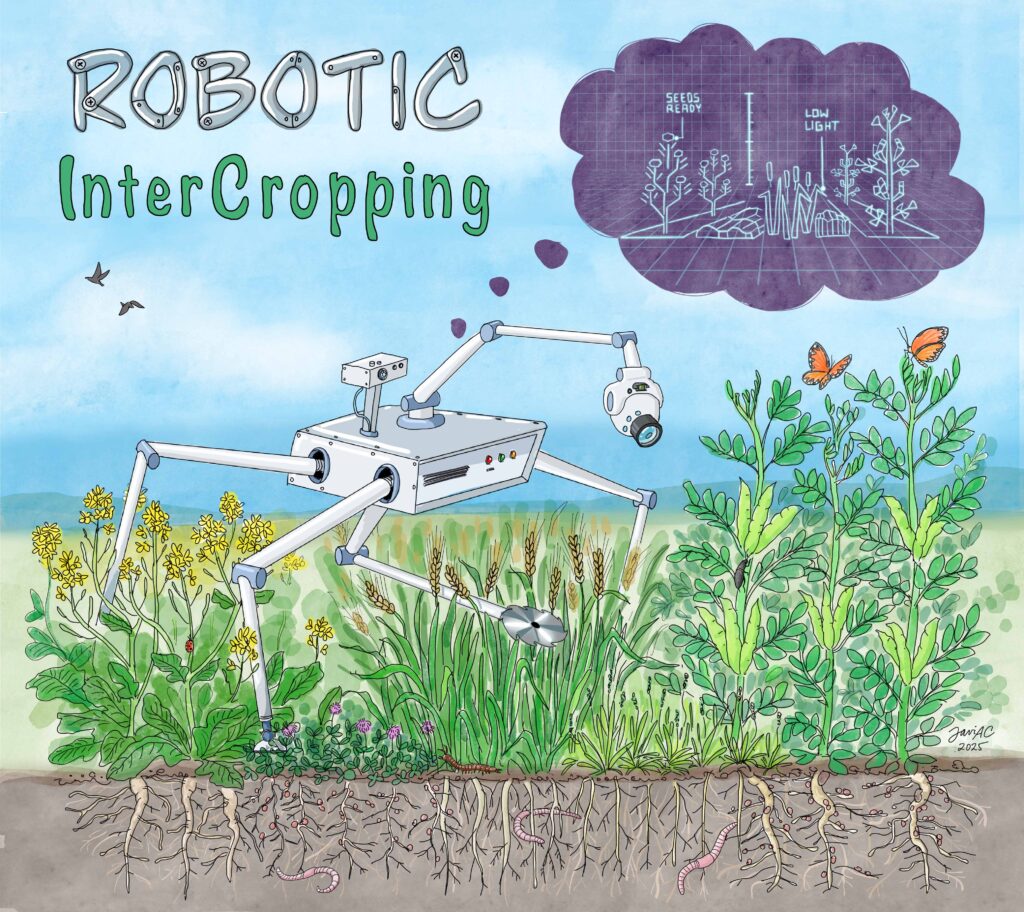
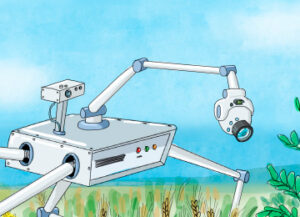
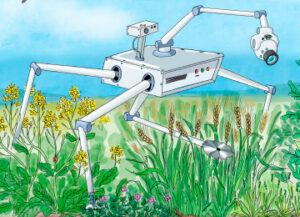
When you think of a farm now, you quickly think of a tractor. In the future, we believe you will think of robots.
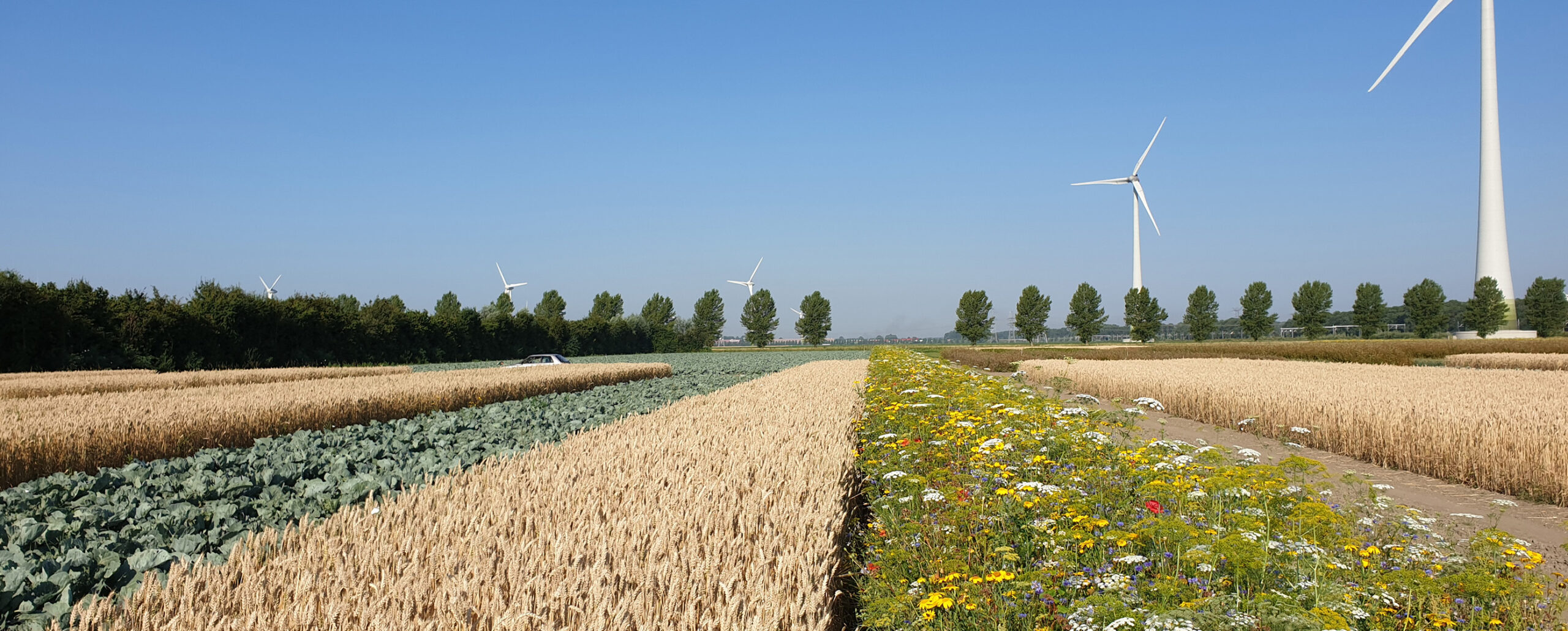
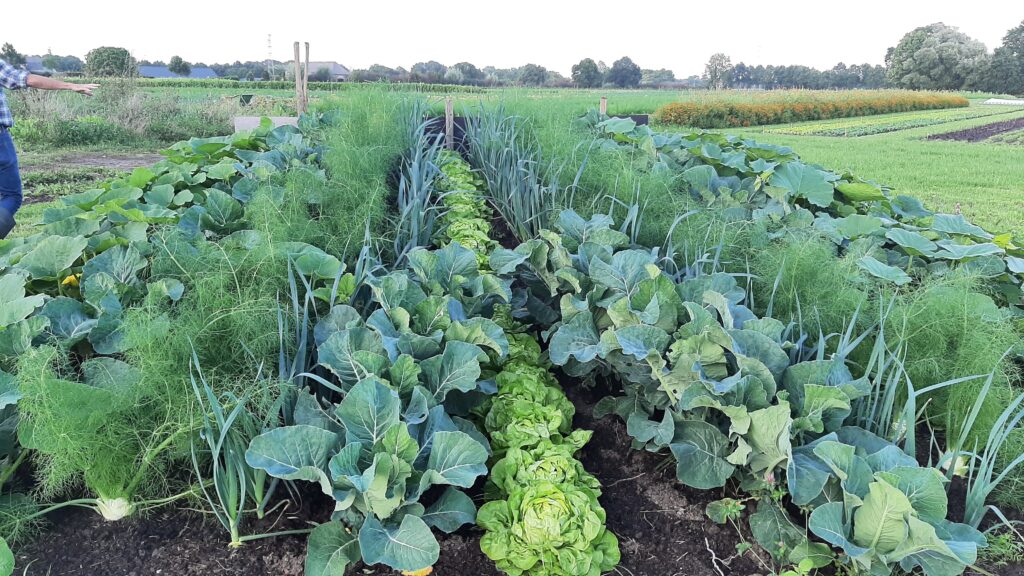
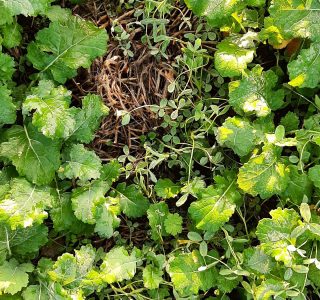
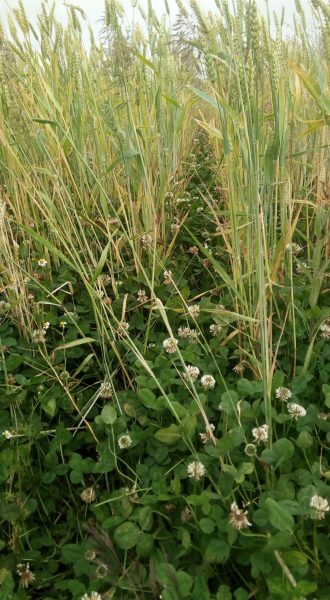
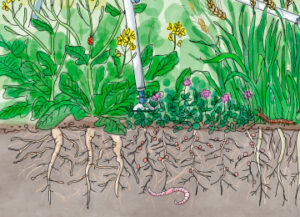
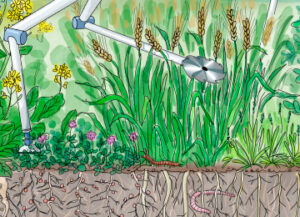
The Robotic Intercropping (RIC) project envisions a future where lightweight autonomous robots work side by side with farmers to manage diverse intercropping systems. While modern agriculture has long focused on efficiency through monocultures, fertilizers, and pesticides, these systems also challenge biodiversity and soil health. RIC explores a different path forward: growing cash and service crops together to create more resilient and sustainable farming systems. As large and heavy machinery is not suited for these complex field systems, we imagine autonomous robots becoming key partners for farmers in the future.
Find out more about our vision in the video below.
Robotic Intercropping Day 2026
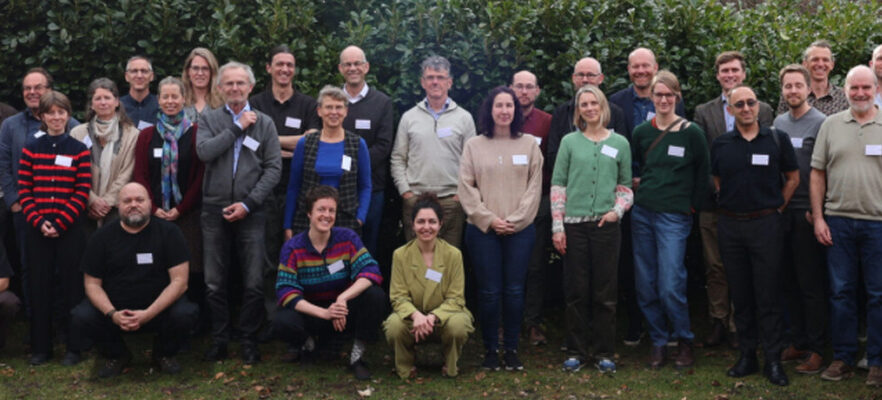
On 24 September, we hosted our first RIC Field Day at the research farm in Taastrup (Denmark) under the theme “Agricultural challenges and opportunities: The role of robotics and intercropping”.
Throughout the day, we showcased the project through interactive exhibition booths and live demonstrations, complemented by engaging keynote talks. It was a day full of lively discussions and knowledge exchanges with around 170 visitors, who represented a mix of universities, vocational agricultural education, advisory services, agricultural and robotics companies, farmers’ organizations, and the farming community.
This event marks the beginning of an annual RIC Field Days in Denmark and the Netherlands.
If you would like to be informed about upcoming activities and events, sign up to our newsletter.
Visited 5,477 times, 1 visit(s) today